Odour Control System Solutions for Cleaner Industrial Environments
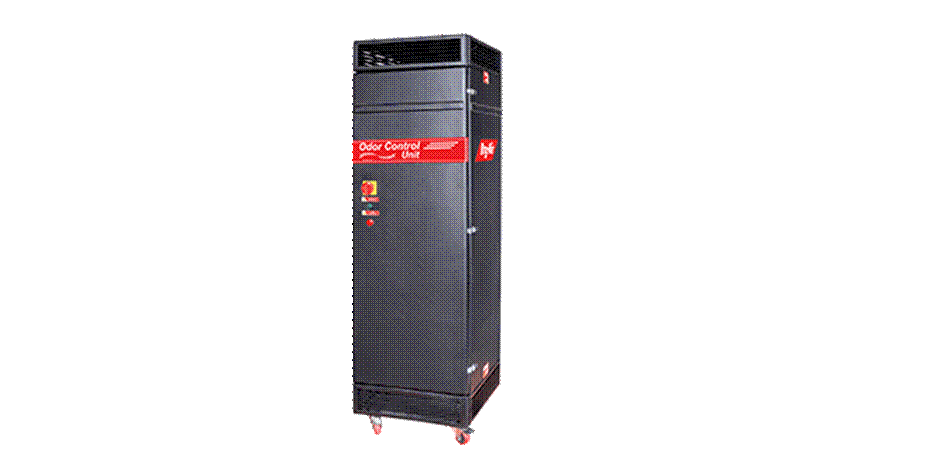
Industrial facilities often generate unpleasant and harmful odors during manufacturing, waste processing, chemical production, wastewater treatment, and material handling operations. These odors can negatively impact workplace conditions, surrounding communities, operational efficiency, and environmental compliance. As industries continue focusing on cleaner operations and improved air quality management, advanced odour control technologies have become increasingly important.
Modern odour control system solutions help industries reduce airborne contaminants, manage unpleasant smells, and improve indoor and outdoor environmental conditions. These systems are widely used across manufacturing plants, processing facilities, commercial operations, and industrial infrastructure projects where air quality management is essential.
Why Odour Control Is Important in Industrial Operations
Industrial odors are often generated through chemical reactions, organic decomposition, waste handling, and production activities. Without proper treatment, these odors may create environmental and operational challenges.
Common Sources of Industrial Odours
Industries commonly dealing with odour problems include:
- Wastewater treatment plants
- Food processing facilities
- Chemical manufacturing units
- Waste management operations
- Pharmaceutical plants
- Recycling facilities
Odour generation may vary depending on the materials and industrial processes involved.
Problems Caused by Poor Odour Management
Improper odour control may lead to:
- Uncomfortable working conditions
- Community complaints
- Reduced indoor air quality
- Operational inefficiencies
- Environmental concerns
Effective air treatment systems help minimize these issues.
See also: The Rise of Data Literacy: How Data Science Assignment Help is Shaping US Tech Careers
What Is an Odour Control System?
An odour control system is an engineered air treatment solution designed to capture, filter, neutralize, or eliminate unpleasant airborne odors generated by industrial processes.
These systems may involve:
- Air filtration
- Chemical treatment
- Adsorption technologies
- Ventilation systems
- Air purification methods
The primary goal is to improve air quality and reduce odor emissions.
Components of an Odour Control System
A standard odour control setup may include:
- Air intake systems
- Filtration units
- Fans and blowers
- Treatment chambers
- Monitoring systems
- Exhaust systems
These components work together to maintain cleaner air conditions.
Benefits of Industrial Odour Control Systems
Modern odour management solutions offer several operational and environmental advantages.
Improved Workplace Environment
Cleaner air helps create more comfortable working conditions for employees and operational staff.
Benefits may include:
- Better indoor air quality
- Reduced airborne contamination
- Improved workplace comfort
- Enhanced operational conditions
A cleaner environment supports better productivity and safety.
Better Environmental Compliance
Industries increasingly face strict environmental expectations regarding air quality management.
Professional odour control systems help businesses:
- Reduce airborne emissions
- Improve environmental performance
- Support cleaner operations
- Minimize external odour impact
Environmental responsibility has become a major operational priority.
Enhanced Operational Efficiency
Uncontrolled odors may indicate poor ventilation or process inefficiencies.
Modern systems help:
- Improve airflow management
- Support cleaner processing environments
- Maintain controlled operating conditions
Efficient air treatment systems contribute to overall operational stability.
Types of Odour Control Technologies
Different industries require different odor treatment methods depending on the source and intensity of emissions.
Adsorption Based Systems
Adsorption technologies use specialized materials to trap odor causing particles and contaminants.
These systems are commonly used for:
- Chemical odor removal
- Industrial exhaust treatment
- Air purification
Adsorption systems are highly effective in many industrial applications.
Chemical Treatment Systems
Chemical treatment methods neutralize airborne contaminants through controlled reactions.
Applications may include:
- Wastewater facilities
- Chemical processing plants
- Industrial manufacturing environments
These systems help manage complex odour conditions.
Ventilation and Air Handling Solutions
Proper airflow management plays an important role in odour reduction.
Advanced odour control units may include:
- High efficiency ventilation
- Air circulation systems
- Moisture management
- Controlled exhaust systems
Optimized airflow improves overall air quality performance.
Industries Using Odour Control Systems
Many industries depend on effective air treatment technologies.
Wastewater Treatment Facilities
Wastewater operations often generate strong odors from:
- Organic decomposition
- Sludge processing
- Chemical treatment
Odour management helps improve operational conditions and community comfort.
Food Processing Industries
Food manufacturing facilities may require odor control for:
- Ingredient processing
- Waste management
- Air quality improvement
Controlled air systems support cleaner production environments.
Chemical Manufacturing Plants
Chemical industries often manage volatile airborne compounds and industrial emissions.
Advanced odour treatment helps:
- Improve air quality
- Support worker safety
- Reduce airborne contamination
Effective systems improve industrial air management.
Importance of Air Quality Management
Air quality directly affects operational efficiency, environmental conditions, and workplace safety.
Role of Air Treatment Systems
Modern air management systems help:
- Reduce airborne pollutants
- Improve ventilation efficiency
- Maintain cleaner indoor conditions
Controlled environments support safer industrial operations.
Long Term Benefits of Odour Control
Businesses investing in professional odour management may experience:
- Better operational reliability
- Improved facility conditions
- Enhanced environmental performance
- Reduced maintenance issues
Strong air quality management supports long term operational success.
Factors to Consider When Choosing an Odour Control System
Selecting the right system depends on industrial requirements and operating conditions.
Type of Odour Source
Businesses should evaluate:
- Chemical emissions
- Organic materials
- Moisture levels
- Airflow patterns
Different odour sources require different treatment methods.
Facility Size and Airflow Requirements
System capacity should match:
- Facility dimensions
- Air volume
- Operational intensity
Proper sizing improves treatment efficiency.
Maintenance and Operational Efficiency
Reliable systems should support:
- Easy maintenance
- Consistent performance
- Energy efficiency
Efficient systems reduce long term operational costs.
Common Mistakes Businesses Should Avoid
Poor odour management practices may reduce system performance and operational efficiency.
Ignoring Ventilation Problems
Weak airflow management may:
- Increase odor concentration
- Reduce treatment effectiveness
Proper ventilation design improves air circulation and odor removal.
Using Inadequate Treatment Systems
Undersized systems may struggle to manage industrial odor loads effectively.
Businesses should select systems based on:
- Operational scale
- Air treatment needs
- Environmental conditions
Correct system sizing improves long term performance.
Delaying System Maintenance
Poor maintenance may reduce filtration and airflow efficiency.
Routine inspections help:
- Maintain system reliability
- Improve operational performance
- Extend equipment lifespan
Regular servicing supports consistent air quality control.
Why Odour Control Systems Continue Growing
Industries continue prioritizing cleaner operations, environmental management, and workplace air quality.
Odour control systems continue growing because they support:
- Improved industrial air quality
- Cleaner operational environments
- Better environmental performance
- Enhanced workplace conditions
- More efficient airflow management
Organizations searching for reliable odour control systems increasingly invest in advanced air treatment technologies to improve operational efficiency and environmental responsibility.
Conclusion
Odour control systems provide industries with an effective solution for managing airborne contaminants and improving environmental conditions within industrial facilities. Proper air treatment helps reduce unpleasant odors, improve workplace comfort, and support cleaner operational practices.
Modern filtration systems, airflow management technologies, and advanced odor treatment solutions all contribute to better industrial air quality performance. By investing in reliable odour control systems, businesses can improve environmental management, support operational efficiency, and maintain healthier industrial environments.