Space Tourism Explained
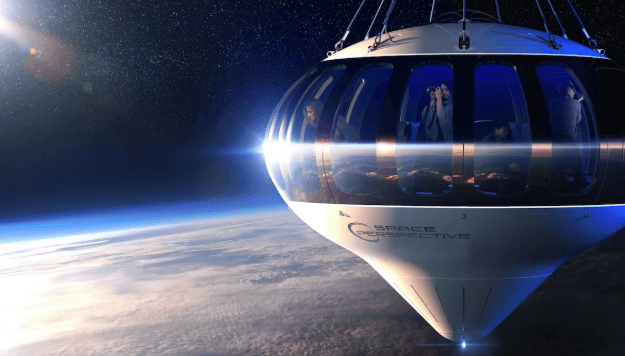
Space tourism today blends brief suborbital access with short orbital missions, inviting non-professionals to the edge of space. It draws a diverse mix of adventurers, researchers, and dreamers, all weighing prestige, access, and broader contributions. Costs, funding, regulation, and insurance shape choices and timing. Experiences mix microgravity, sensory shifts, and awe, supported by training and safety protocols. Preparation and aftercare matter. The evolving framework raises practical questions about responsibility, risk, and what comes next for ordinary travelers.
What Space Tourism Is Today
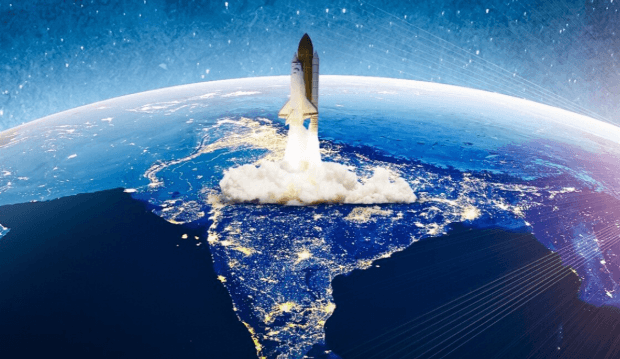
Space tourism today encompasses a growing range of experiences that let non-professional travelers glimpse space or the edge of it, from suborbital flights that briefly cross the Kármán line to orbital trips that circle the planet for several days.
The sector adapts rapidly, balancing spaceflight regulations with safety protocols, while acknowledging environmental impact and the evolving responsibilities of private operators to protect fragile high-altitude ecosystems.
Who’s Choosing Space Travel and Why
Who is drawn to space travel, and what motivates them? A diverse cohort seeks novelty, prestige, and contribution beyond Earthly borders, while individuals pursue science, adventure, and personal transcending moments. Aspirants weigh space equity, seeking inclusive access, and navigate regulatory hurdles that shape opportunity. The appeal remains practical, aspirational, and reflective of a broader desire for freedom through exploration.
What It Costs and How to Prepare
Costs for space travel vary widely by program and vehicle, influenced by hardware, mission duration, and target orbit or destination; prospective participants must weigh up-front payments, financing options, and ongoing service or training fees. A clear cost comparison highlights entry barriers, insurance, and maintenance obligations. Safety considerations shape decisions, with transparent risk disclosures, rigorous training, and verified certifications guiding the path toward liberating horizons.
What the Experiences Feel Like and How They Work
Experiences aboard spaceflight unfold as a sequence of embodied sensations, cognitive shifts, and awe-inspiring views that unfold in real time around the traveler.
The experience blends microgravity, vibrations, and sensory reorientation with rapid decision cycles and focus.
Spaceflight sensations reveal how perception adapts; training implications emphasize rehearsal, safety margins, and resilience, enabling confident exploration while preserving intrinsic curiosity and freedom.
See also: windgustnews
Frequently Asked Questions
How Do Sponsorships and Scholarships Work for Space Tourists?
Sponsorship models fund training and seats, while scholarship eligibility targets aspiring participants meeting merit or need criteria; sponsors weigh prestige, impact, and accessibility. The process remains transparent, with timelines, compliance requirements, and measurable outcomes guiding space tourism opportunity sharing.
What Are the Environmental Impacts of Space Tourism?
Space tourism’s environmental impacts are colossal and nuanced, revealing an unrelated topic of concern yet inviting brainstorming ideas; emissions, ozone effects, launch debris, and resource use demand careful assessment, while accountability and freedom in exploration guide measured, curious conclusions.
How Will Safety Regulations Evolve in the Future?
Future safety regulations will evolve through iterative safety certification processes and enhanced risk management frameworks, balancing innovation with accountability; regulators will mandate transparent data sharing, independent review panels, and standardized training to empower a curious, freedom-seeking public.
Are There Medical Prerequisites Beyond Basic Health Checks?
Medical prerequisites exist beyond basic health checks, including targeted medical screenings and potential cardiopulmonary evaluations; postflight health monitoring remains essential. The approach invites curiosity, precision, and accessibility, supporting an audience desiring freedom while ensuring safety through vigilant oversight.
What Responsibilities Do Tourists Have Before Launch?
Tourists bear clear responsibilities before launch, including completing responsibility training and securing preflight authorizations. They are expected to understand safety protocols, disclose health changes, and stay informed about mission timelines, procedures, and personal risk awareness to enable informed participation.
Conclusion
Space tourism stitches awe to administration: the frontier promises vistas beyond Earth while tethering travelers to safety drills and insurance hoops. Yet it rewards with microgravity magic and planetary perspective; it taxes budgets and risk tolerance alike. Juxtaposed, ambition meets caution, either noble or impulsive. For some, prestige and research synergy outweigh costs; for others, the dare remains a personal, almost intimate rite. The industry evolves as curiosity and responsibility walk parallel, shaping a fragile, exhilarating horizon.