Why weather-heavy days change how people use mobile apps
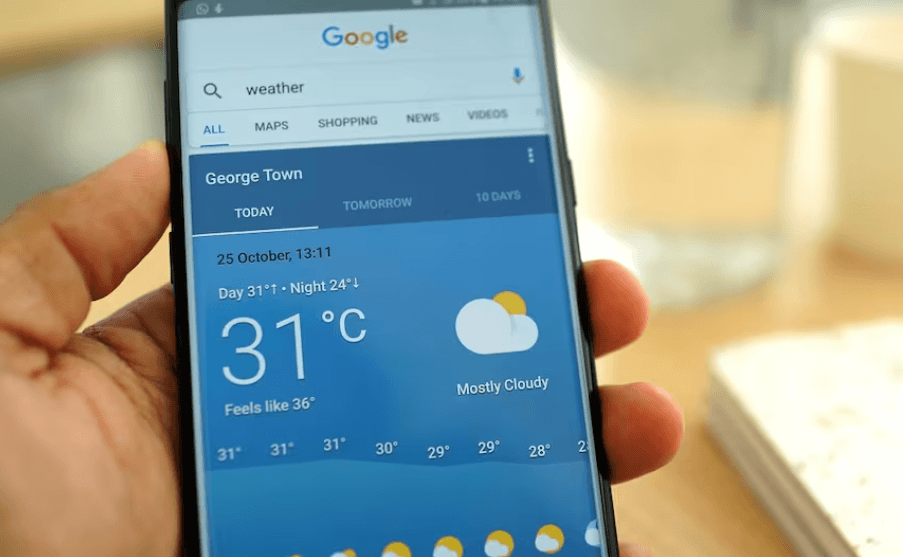
Bad weather changes phone habits fast. A person checks wind alerts, messages home, opens maps, watches the battery, and stops treating the phone like a casual screen. On days with strong wind, rain, travel delays, or weak signal, every app needs to load cleanly and behave predictably.
Outdoor conditions make app versions matter
Anyone who has checked weather updates before leaving home knows that small phone problems become more annoying outside. A page loads slowly, mobile data drops, or the battery starts falling while the user still needs maps, messages, and updates. The same thinking applies when someone chooses to play desi apk latest version on a phone that may also be handling weather alerts, transport updates, and private messages during the same day.
This is where APK use needs a little more care than a normal web page. A version that worked fine last month may feel clumsy after a phone update, browser change, or storage issue. Users should not install files from random links or keep old APKs sitting in downloads for weeks. A cleaner setup gives the phone a better chance to run properly when the user is already dealing with poor weather, patchy data, or a long day away from home.
Weather apps train people to read details
People who follow wind and weather updates are already used to reading small details. A forecast is never just “bad weather.” Users check timing, location, gust strength, road conditions, and whether the alert affects their actual route. That habit is useful for mobile entertainment too. An APK page should be read with the same calm attention before anything is downloaded or opened.
The filename, source page, permissions, update date, and phone storage all matter. If something looks strange, the user should stop instead of pushing through. This does not need to feel technical. It is the same common sense people use before driving in heavy wind or leaving home without checking the forecast. A few seconds of reading can prevent a much more irritating phone problem later.
What to check before using an APK
An APK should never be treated like a random shortcut. A phone may hold banking apps, photos, work chats, family messages, and saved passwords, so every download deserves a quick look first.
- Download only from the official or clearly trusted source.
- Remove older APK files after the new version is installed.
- Check storage before opening heavy apps.
- Read permission requests before accepting them.
- Avoid public Wi-Fi for account or payment activity.
- Keep lock-screen previews hidden around other people.
Battery pressure changes user behavior
Low battery makes people impatient. They tap faster, skip checks, and accept prompts just to finish before the phone dies. Bad weather can make this worse because users may need the same device for maps, calls, ride apps, and alerts. Before opening an entertainment app, it helps to check battery, close unused apps, and keep power for the things that matter later in the day. A phone break should not leave someone short on charge when the weather turns awkward.
A cleaner phone handles rough days better
Weather-heavy days show which phone habits are actually useful. A device with free storage, fewer old downloads, updated apps, hidden private previews, and a working screen lock feels easier to trust when plans change. The same habits help with maps, news, banking, messaging, and entertainment because the phone is not fighting old clutter while the user needs it to work.